Pains In The Butt
The Roadworks With Nobody Working On Them
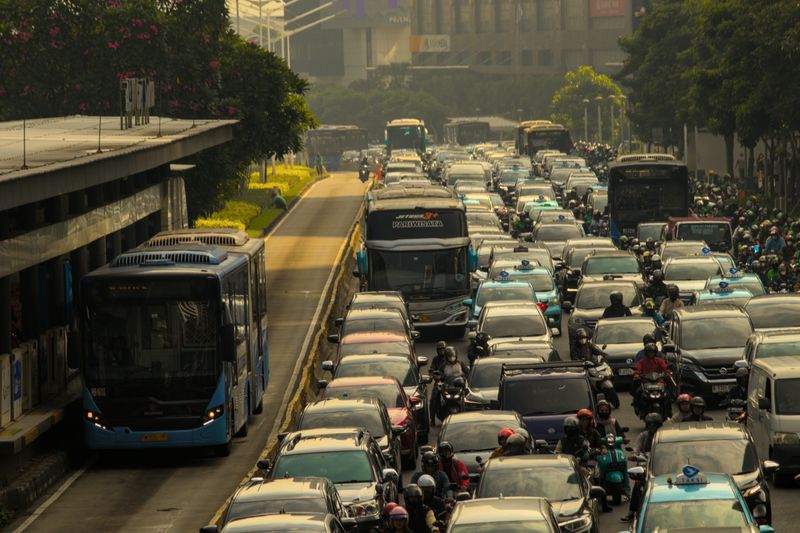
An empty coned-off lane usually means materials curing, a permit running longer than the work, or a queue of separate trades waiting to take their turn in sequence.

A lane has been closed for a fortnight and the site is deserted every time you pass. The closure is doing something even when nobody is standing in it.
Setting up the closure is a job in itself
Traffic management on a live road is designed, approved and installed as a distinct piece of work, with signs placed at set distances and cones laid at set spacings.
On a busy route that installation may only be permitted at night, and taking it out and putting it back costs several hours plus a crew each time.
So a closure stays up through gaps in the work, because removing it for a day would cost more than leaving it standing for a week.
Materials need time with nobody present
Concrete gains strength over days, not hours. Bedding for kerbs, haunching and structural repairs all have curing periods during which the only correct action is to leave them alone.
Surfacing has to cool before traffic runs on it, and some treatments need dry conditions for a set period afterwards. Rain resets the clock entirely.
An empty site during curing is not a delay. It is the part of the programme where the work is happening without anybody needing to hold a shovel.
The trades take turns
A single excavation may involve a water company, a power network, a telecoms operator and a highways contractor, each employing different crews under different contracts.
Those crews are booked against many sites at once, and a slip on one job cascades into a gap on the next, because the following trade cannot start early.
Inspections sit between the stages, and an inspector who cannot attend until Thursday effectively closes the site until Thursday no matter who is available.
Permits fix dates, not activity
Work on a public road happens under a permit specifying a start and an end date, applied for well in advance and difficult to change once granted.
Contractors book generously, because overrunning a permit carries penalties while finishing early carries none. The safe strategy is to request more time than the work requires.
The visible result is a site that is legitimately closed for a period considerably longer than the number of days anyone spends working in it.
Nights, seasons and embargoes
Many closures are only allowed outside peak hours, so the crew works overnight and the site sits empty and coned throughout the daylight hours when you see it.
Some materials cannot be laid below certain temperatures, and authorities impose embargoes around busy retail periods and major events, freezing sites mid-programme.
Every one of those constraints is reasonable on its own. Stacked together they produce a hole in the road with a fence round it and nobody in sight.
Questions readers ask
Why do leaflets keep coming after I registered?
Preference registers cover addressed mail. Unaddressed leaflets go to every letterbox on a route and need a separate opt-out from the postal operator.
What do I do with mail for a previous occupant?
Do not open it. Return it marked as no longer at this address. It takes several cycles because lists update on their own schedule.
Also by Debashis Panda
- Hold music is not an apology, it is a queue management toolPains In The Butt
- Clamshell packaging: the box that defeats the customer to defeat the thiefPains In The Butt
- The free trial that needs your card is not measuring your interestMoney Suckers
- The update removed the feature you were using it forTech That Sucks