Pains In The Butt
One queue beats five, and the maths is not close
A single line feeding several servers is faster and fairer than separate lines. Almost everyone still chooses the shortest one they can see.
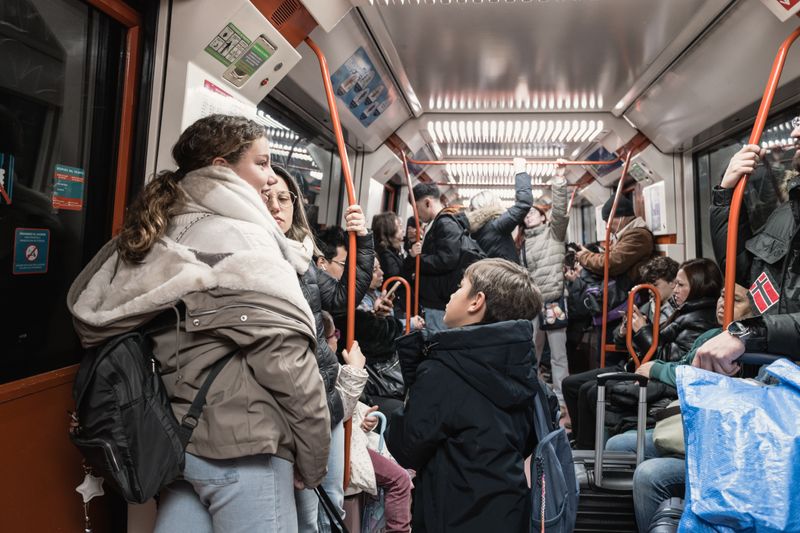
The options around queue design are set out side by side below, with the conditions that genuinely favour one over the other.
The difference in one place
- A single queue removes the variance caused by choosing the wrong line.
- Average wait is similar but the worst case is dramatically better.
- Perceived fairness rises because overtaking becomes impossible.
Variance is what makes queuing miserable
With separate lines, your wait depends on which one you joined, and one slow transaction ahead of you can cost more than the entire queue behind. A single line feeding multiple servers removes that dependency, because everyone is served in order and a slow transaction blocks only one server. Average waiting time across everyone is broadly similar between the two designs, which is why the improvement is often underestimated.
What changes dramatically is the spread, since the single queue removes almost all of the very long waits caused by an unlucky choice. People remember the worst wait rather than the average one, which is why the serpentine queue feels so much better than it measures.
The fairness effect is separate and real
In parallel lines, somebody who arrived after you can be served before you, and that overtaking is experienced as an injustice rather than as chance. A single queue makes overtaking structurally impossible, which removes a specific and disproportionate source of irritation.
Research on queuing consistently finds perceived fairness matters as much as duration for satisfaction with a wait. This is why the single queue is standard in banks, airports and post offices, where the alternative produced constant disputes. It is also why supermarkets, which have used parallel lines for decades, generate a specific and universally recognised form of grievance.
Why shops still use parallel lines
Supermarket trolleys need physical space, and a single serpentine queue for twenty tills would occupy an aisle that is currently selling things. Parallel lines also place waiting customers next to shelves of impulse items, which is a commercial benefit the single queue removes. Transaction times in a grocery shop vary enormously, which is exactly the condition where the single queue helps most, so the trade is deliberate.
Somewhere in the release notes, where shops have adopted a single queue it is usually in small-basket areas, where the space cost is low and the variance is high. That pattern tells you the decision is about floor area rather than about doubt over which design is faster.
The other line is not actually moving faster
The common experience that the other queue moves faster is partly a real effect and partly a selection artefact in your memory. With three queues you are, on average, in the slower one two thirds of the time, so the impression is arithmetically well founded.
Three clicks later, you also only notice the other line when it moves, since a stationary neighbouring queue attracts no attention at all. Switching queues is generally a poor strategy, because you rejoin at the back and the reason your line stalled is usually invisible.
The exception is a queue that has visibly stopped for a reason you can identify, such as a supervisor being called.
Managing the wait rather than the queue
Occupied time feels shorter than unoccupied time, which is why lifts have mirrors and why queues wind past things to look at. A known wait feels shorter than an unknown one, which is the whole justification for the number above the counter and the estimated wait sign.
Once the introductory rate lapses, waits before a service begins feel longer than waits during it, which is why restaurants seat you before they are ready to take your order. These findings are robust, widely applied and slightly unnerving once you notice them operating on you in a queue. They also explain why a well-designed wait of ten minutes can be preferable to a badly designed one of six.
If a charge looks wrong, the boring route — written complaint, then the ombudsman or regulator — still works better than a review.
Choosing a line when you have to
Count people rather than trolleys, since transaction time is driven more by the number of customers than by the number of items. Avoid lines with unusually large baskets, groups, or anybody holding a folder of paperwork, as those predict long single transactions. Pick the line on the far side from the entrance, which is consistently less popular for reasons that are pure habit.
Once the introductory rate lapses, once committed, stay, because the expected gain from switching is small and the certain cost of rejoining is not. And when you meet a single serpentine queue, be pleased rather than dismayed, because it is longer and you will be out sooner.
Side by side
| Consideration | What it means in practice |
|---|---|
| Variance is what makes queuing miserable | A single queue removes the variance caused by choosing the wrong line. |
| The fairness effect is separate and real | Average wait is similar but the worst case is dramatically better. |
| Why shops still use parallel lines | Perceived fairness rises because overtaking becomes impossible. |
The takeaway
Count the people, not the trolleys, and then stay where you are.
The fix is usually trivial, which is the most annoying part.
Questions readers ask
Is the single queue actually faster?
Average waits are similar. The long waits largely disappear, which is what people actually experience and remember.
Should I switch queues?
Usually not. You rejoin at the back and the cause of the delay is often invisible. Switch only when a queue has visibly stopped.
Also by Debashis Panda
- Hold music is not an apology, it is a queue management toolPains In The Butt
- Clamshell packaging: the box that defeats the customer to defeat the thiefPains In The Butt
- The free trial that needs your card is not measuring your interestMoney Suckers
- The update removed the feature you were using it forTech That Sucks