Money Suckers
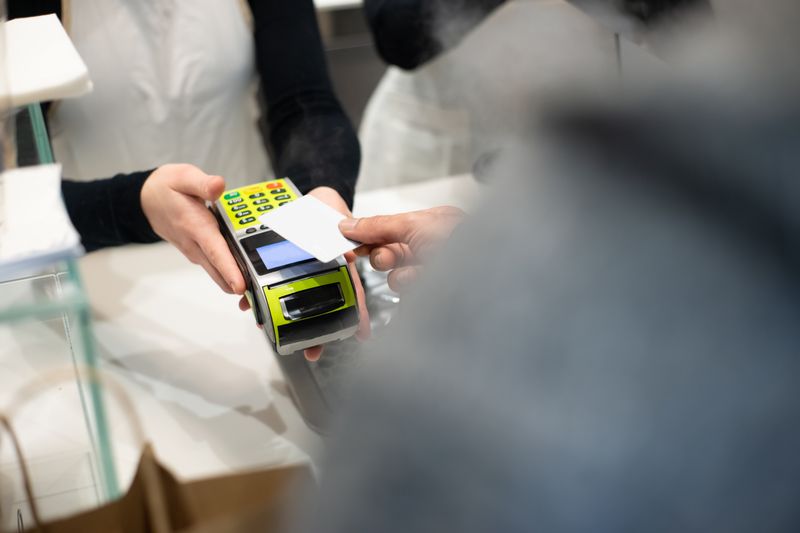
The card machine asks whether you want to be charged in your own currency
Saying yes hands the exchange rate to whoever owns the terminal. The helpful-sounding question is the entire product.

These are listed in the order worth acting on, which with dynamic currency conversion is not the order they are usually presented in.
What matters most
- Dynamic currency conversion lets the merchant side set the exchange rate.
- The margin is embedded in the rate rather than shown as a fee.
- Choosing the local currency routes conversion through your card network instead.
What the question is actually offering
Dynamic currency conversion lets a foreign terminal or cash machine convert the transaction into your home currency at a rate it chooses. The alternative is to be charged in the local currency and let your own card network convert it, using its published wholesale rate plus your bank's stated fee.
The rate offered by the terminal almost always carries a wider margin than the network rate, and that margin is shared between parties in the payment chain. None of it is hidden exactly, because the rate is displayed, and almost nobody can evaluate a rate while holding up a queue. The offer therefore relies on being made at the one moment when comparison is impossible, which is a recurring theme in this section.
Why the margin is invisible
A fee stated as a percentage invites comparison, whereas a margin folded into an exchange rate looks like a fact about the world. Displaying the markup as a percentage against the interbank rate is required in some jurisdictions and absent in many others. Where it is shown, the number is frequently large enough to end the conversation, which is precisely why disclosure mattered enough to legislate.
The bit they bury in the confirmation email: the screen usually emphasises certainty instead, offering a guaranteed home-currency amount, which is a genuine benefit of very small value. Certainty about a slightly worse number is a poor trade unless the currency is moving violently within your billing cycle.
Where you will meet it
Cash machines abroad are the most aggressive setting, because the screen is designed to make declining feel like an error state. Card terminals in restaurants and shops offer the same choice, often with the home-currency option preselected and highlighted.
The bit they bury in the confirmation email: online checkouts do it too, presenting prices in your currency by default, which is convenient and priced accordingly. Some hotels and rental companies apply it to the whole transaction at settlement, which can happen after you have left the country. The common thread is that the choice is presented by the party that benefits from one particular answer.
The correct answer is almost always the local currency
Choosing the local currency sends the conversion to your card network, which uses a wholesale rate published daily and applies whatever fee your bank charges. That fee is knowable in advance, appears on your statement and can be compared between cards before you travel, which the terminal rate cannot.
Cards marketed for travel often waive the foreign transaction fee entirely, which makes the local-currency route cheaper again. The exception is a card with a punitive foreign transaction fee, where the comparison is between two bad options rather than a good and a bad one. Checking your own card's fee once before a trip converts this from a judgement call into a reflex.
Being charged in your currency without being asked
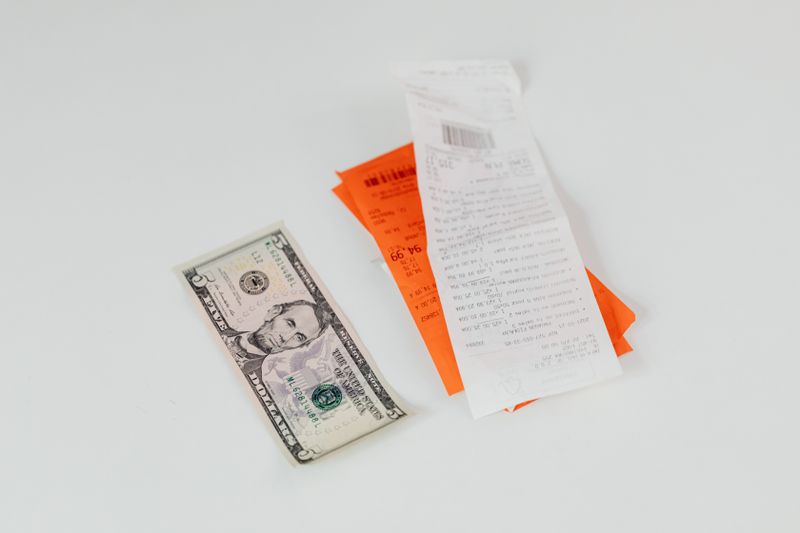
Some terminals convert without offering a choice, which breaches card network rules in most cases and is nonetheless not rare. The evidence is on the receipt, which will show the local amount, the converted amount and a rate, so keeping receipts abroad is worth the pocket space. Card networks provide a route to dispute a conversion applied without consent, and the receipt is the whole of your case.
Raising it with the merchant at the time occasionally works and frequently does not, since the terminal configuration is rarely under their control. Where it happens systematically, the acquirer rather than the shop is the party the complaint needs to reach.
Small habits that save real money
Always press the button showing the local currency, even when the other one is larger, greener and labelled as recommended. Withdraw larger amounts less often where fixed cash machine fees apply, and check whether your bank charges a percentage as well.
Somewhere in the release notes, decline the cash machine's conversion screen separately from the withdrawal, since some sequences ask twice in slightly different wording. Compare your card's foreign transaction fee against a dedicated travel product before a long trip rather than during it. Read one statement carefully after returning, because that is when the charges you agreed to at speed become legible.
Everything above, in order of what to do first
- What the question is actually offering. Dynamic currency conversion lets a foreign terminal or cash machine convert the transaction into your home currency at a rate it chooses.
- Why the margin is invisible. A fee stated as a percentage invites comparison, whereas a margin folded into an exchange rate looks like a fact about the world.
- Where you will meet it. Cash machines abroad are the most aggressive setting, because the screen is designed to make declining feel like an error state.
- The correct answer is almost always the local currency. Choosing the local currency sends the conversion to your card network, which uses a wholesale rate published daily and applies whatever fee your bank charges.
- Being charged in your currency without being asked. Some terminals convert without offering a choice, which breaches card network rules in most cases and is nonetheless not rare.
- Small habits that save real money. Always press the button showing the local currency, even when the other one is larger, greener and labelled as recommended.
The takeaway
Always choose the local currency, even when the screen looks disappointed in you.
It is not you being fussy. It is genuinely badly made.
Questions readers ask
Is dynamic currency conversion a scam?
It is legal and disclosed, and it is consistently worse value than declining it. The problem is that the disclosure arrives when comparison is impossible.
What if I am charged in my own currency anyway?
Keep the receipt showing both amounts and the rate. Conversion applied without an offered choice can generally be disputed through the card network.